Beginner‑Proof Crop Plan for Gardyn, AeroGarden & Click & Grow (2026): Easiest Herbs & Greens, Safe Settings, and a Weekly Harvest Schedule
The Scenario: New Smart Garden, No Idea What To Plant
“These systems are so smart you can grow food without knowing anything about plants.” That is the promise. Then reality hits: the Gardyn is full of random seeds, the AeroGarden is running the tomato kit that came in the box, and the Click & Grow lettuce is either tiny or suddenly overgrown.
Right now, countertop smart gardens are getting mainstream attention. Reviews of units like Gardyn Studio 2 show that even complete beginners can pull decent yields with the built‑in app support and automation, as noted in this review. At the same time, school programs funded under initiatives like the US National School Lunch Program are rolling hydroponics into cafeterias specifically because they’re simple enough for kids and staff to run on a routine, as highlighted in this coverage.
The technology is good. The problem is the plan. Most first‑time owners are missing three things:
- A short list of crops that almost never fail in these systems
- Safe, conservative settings that don’t fry seedlings or stall growth
- A simple weekly harvest rhythm, so you are not glued to pH, EC, or app alerts
This guide gives you a beginner‑proof crop plan and weekly schedule tailored to:
- Gardyn Studio / Studio 2
- AeroGarden countertop units
- Click & Grow Smart Gardens
The focus here is low‑maintenance, reliable greens and herbs in 2026, not squeezing out maximum grams per watt. You will get salad and herb harvests every week with minimal tweaking.
The Breakdown: What Makes A "Beginner‑Proof" Crop Plan
1. Pick crops that forgive mistakes
For your first 8–10 weeks, you want plants that:
- Germinate fast
- Grow in cooler or warmer rooms without drama
- Tolerate less‑than‑perfect light and nutrients
- Let you harvest a bit at a time (not “all or nothing” heads)
That rules out big fruiting crops and slow woody herbs. Here is the short list that works in Gardyn, AeroGarden, and Click & Grow with almost no tuning.
Best beginner greens
- Lettuce mixes (butterhead, looseleaf, romaine blends)
- Arugula
- Pak choi / bok choy
- Mizuna and other Asian greens
- Dwarf kale and Swiss chard
Best beginner herbs
- Basil (Genovese or “sweet” types)
- Mint (very forgiving)
- Parsley
- Chives
- Dill (fast, but prune often)
- Cilantro if your room is on the cooler side
Crops to skip in your first cycle
- Tomatoes, peppers, eggplant
- Cucumbers and strawberries
- Slow woody herbs like rosemary, thyme, oregano, lavender
Those all want stronger light, tighter nutrient control, and more pruning. Run one full easy cycle before you even think about them.
2. Use "safe" light and watering defaults
Smart indoor gardens remove most of the complexity, but you can still sabotage them by forcing high‑intensity schedules you saw in a forum. For beginners, you want conservative, crop‑friendly defaults:
- Lights: 14–16 hours on per day for herbs and greens
- Dark period: At least 8 hours off so plants can respire
- Watering/pump cycles: Use the factory or app presets
You do not need to micromanage EC or pH to succeed with these systems if you stick to leafy crops and the manufacturer’s nutrients. The goal is consistency, not perfection.
3. Build a weekly harvest rhythm instead of “set and ignore”
The other big failure point is letting plants hit the lights or suffocate each other before you harvest. The fix is a simple weekly routine built around three habits:
- Check water level twice a week and top up
- Harvest small, frequent amounts instead of waiting for massive heads
- Trim tall herbs before they hit the light array
You will see this same pattern show up in the Gardyn, AeroGarden, and Click & Grow plans below.
The Action Plan: Brand‑Specific Crop Plans & Weekly Schedule
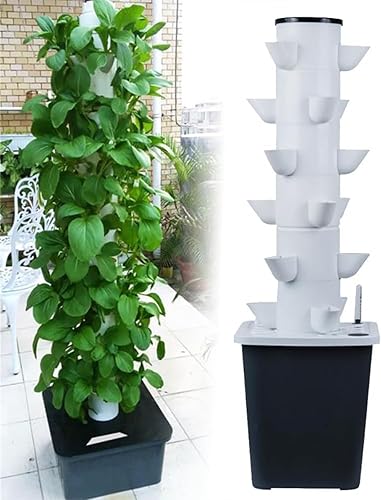
Section 1 - Gardyn Studio / Studio 2: "Leafy Wall" Starter Plan
Target user
New Gardyn owner who wants reliable weekly salads and herbs with minimal tinkering.
Best crops for Gardyn Studio 2 beginners
First 8–10 weeks, run a “leafy wall” loadout:
- 60–70% spaces: lettuce mixes, pak choi, arugula, mizuna, dwarf kale, Swiss chard
- 20–30% spaces: basil, mint, parsley, dill, chives
- 0–10% spaces: optional experiments once you’re comfortable
This keeps plant height and nutrient demand relatively uniform, which plays nicely with Gardyn’s fixed light bars and shared reservoir.
Safe beginner settings (light, water, nutrients)
- Lighting: Use Gardyn’s recommended default program. If you want manual control, set 15 hours on / 9 hours off. If upper leaves look pale or crispy, reduce intensity by one step in the app.
- Watering: Leave pump cycles on default. Top up the tank when the app notifies you or any time the level drop is visible through the sight window.
- Nutrients: Use Gardyn nutrients at the app‑recommended dose. If you own an EC meter, aim for roughly 1.2–1.8 mS/cm for this leafy mix.
You do not need to chase pH unless you see persistent issues after a couple of cycles. The built‑in ecosystem and frequent top‑ups usually keep things in a safe range for greens.
Gardyn week‑by‑week schedule (first cycle)
Weeks 0–1: Setup and germination
- Install yCubes, fill reservoir, add nutrients per app.
- Confirm lights and watering are on automatic schedule.
- Do not manually prune yet; just let plants emerge.
Weeks 2–3: First thinning and light adjustment
- Remove any obviously weak or duplicate seedlings in a pod so each space has one strong plant.
- Check that no plant is touching the light; if needed, lower intensity in the app rather than trying to hack the hardware.
- Begin topping up with plain water when notified. Nutrients only on full refills.
Weeks 3–5: Start harvesting
- Begin “cut and come again” harvesting on greens: trim outer leaves and leave the center intact.
- For basil and other herbs, pinch the top growth just above a leaf pair once plants reach 10–15 cm. This doubles the branches.
- Harvest 2–3 times per week, taking at most one‑third of any plant at a time.
Weeks 6–8: Maintain the wall
- Rotate heavier harvests between towers so no single plant is stripped repeatedly.
- Remove any plant that bolts (sends a tall flower stalk) and replace with a new yCube to keep average age young.
- Do a full tank refresh and light system wipe‑down at the end of week 8 or when growth visibly slows.
Follow that pattern and you will have a steady supply of greens without micromanaging Gardyn’s AI.
Section 2 - AeroGarden: Easy Herbs Settings & Beginner Harvest Schedule
Target user
Countertop AeroGarden owner running a 3, 6, 9, or 12‑pod unit, starting with herbs or salad greens.
Best starter kits for beginners
- Gourmet Herb seed pod kit
- Salad Greens or Lettuce Mix kit
- Italian Herb kit
Skip tomatoes, peppers, and tall flowers on your first run. They are not hard, but they are far less forgiving of neglect and light mistakes.
Safe AeroGarden settings
- Grow mode: Choose “Herbs” or “Lettuce/Salad” when you start the garden. This locks in appropriate light and pump cycles.
- Light: Leave the default schedule (usually around 15–17 hours on). Raise the hood as plants approach 2–3 cm from the LEDs.
- Pump: Keep on automatic. Only switch to “Clean” or “Off” when doing maintenance.
- Nutrients: Add the manufacturer’s plant food only when the reminder flashes, usually every 2 weeks. Do not “double dose” to speed growth.
AeroGarden weekly harvest schedule (herbs & greens)
Weeks 0–2: Pods and domes
- Insert pods, add water and nutrients if the startup guide requires it.
- Place clear domes over pods until seedlings touch them, then remove domes.
- Do not prune yet; just monitor moisture and light height.
Weeks 3–4: First cuts
- Begin gently pinching basil tips when plants are 10–15 cm tall.
- Take a few outer leaves from lettuce or salad greens twice per week.
- Respond to the first nutrient reminder; add the exact dose for your model size.
Weeks 5–8: Regular harvest rhythm
- Harvest up to one‑third of a plant at a time, no more, to keep it productive.
- Trim anything that touches the light back by about half.
- Every 4–6 weeks, do a full reservoir change: power off, drain, rinse, refill, and re‑dose nutrients.
Weeks 8–10+: Reset planning
- If a plant gets woody, bitter, or unmanageable, remove the pod and start a fresh one.
- Stagger replacements so you always have some young plants and some mature ones.
This simple routine gives you a constant stream of herbs without touching pH or EC meters.
Section 3 - Click & Grow: Lettuce Weekly Harvest Plan (2026)
Target user
Click & Grow Smart Garden owner who wants hassle‑free lettuce and baby greens with a predictable weekly plan.
Best beginner pods for Click & Grow
- Green lettuce and lettuce mix pods
- Arugula, pak choi, mizuna
- Basil, parsley, and other basic herbs as secondary plants
Click & Grow uses a pre‑fertilized “Smart Soil” and passive wicking, which means your only real job is keeping the water tank filled and harvesting on time.
General growth stages for lettuce & greens
- Week 0: Insert pods, fill tank, plug in.
- Week 1–2: Germination and early seedlings. No pruning yet.
- Week 3–4: Plants reach 7–10 cm. Start very light harvesting.
- Week 4–7: Main harvest window with consistent yields.
- Week 7–9+: Plants may get tall, bitter, or start to bolt.
Click and Grow lettuce weekly harvest plan
Week 3: First pick
- Take 1–2 outer leaves per plant, 2–3 times during the week.
- Refill the tank to max whenever the float drops.
Weeks 4–6: Stable harvest zone
- Harvest every 2–3 days, taking roughly 20–30% of each plant.
- Rotate which pods you cut heavier so others can recover.
- Keep the water tank topped up; do not let it run dry.
Weeks 7–8: Decision point
- If leaves are still tender, continue light harvests.
- If plants are tall, bitter, or bolting, plan a full harvest.
- After a full harvest, remove used pods and start a new batch of lettuce or a new mix of greens.
Because nutrients are built into the pods, you do not have to measure EC or pH at all here. This is as close to “fill and forget” as hydroponics gets.

Section 4 - One Simple Weekly Routine That Works Across All Systems
Whether you are on Gardyn, AeroGarden, or Click & Grow, you can run the same basic weekly operating system. Think of it as your “countertop grow checklist” for greens and herbs.
Daily quick check (30–60 seconds)
- Look at water level indicators; top up if anything is near minimum.
- Scan for plants touching lights and, if needed, plan a trim for your next harvest window.
- Check that pumps (where applicable) are humming quietly and not clogged.
Twice‑weekly harvest block (10–15 minutes)
- On two set days, harvest outer leaves from greens and trim herb tips.
- Aim to leave at least two‑thirds of each plant intact.
- Compost or discard any yellowing or damaged leaves so disease does not build up.
Weekly maintenance (10–20 minutes)
- Wipe down any splashed nutrient solution or algae from lids and light arms.
- On Gardyn and AeroGarden, inspect roots you can access: creamy white is normal, brown and slimy is not.
- On AeroGarden, consider a partial drain and refill around weeks 4–6 if growth slows or the water smells off.
Cycle‑to‑cycle hygiene
- Between runs, drain the system and rinse thoroughly.
- If the manufacturer allows, run a mild bleach or hydrogen peroxide rinse (3–5% solution), then rinse again with clean water.
- Start the next cycle with fresh water, fresh nutrients (if your system uses them), and a new set of pods or seedlings.
When to start caring about pH and EC
If you stick with leafy greens and herbs in these branded systems, you can get very far on defaults. You only need to think about pH and EC when:
- You move into DIY Kratky or DWC buckets
- You start running fruiting crops like tomatoes and peppers
- You see consistent issues like stunted growth, weird color patterns, or burnt tips across multiple grows
At that point, a simple digital pH pen and EC meter are worth the investment. For now, your beginner‑proof edge is choosing forgiving crops and running conservative settings, not chasing numbers.
Benchmarks & Metrics: How To Know Your Plan Is Working
You do not need a lab notebook to validate your setup. A few simple benchmarks will tell you if your Gardyn, AeroGarden, or Click & Grow plan is dialed for beginners.
Visual benchmarks
- Leaf color: Healthy greens stay vibrant and consistent. Pale new growth suggests you need more light or the pods are simply aging out. Very dark, brittle leaves usually mean too much nutrient concentration or older tissue.
- Plant posture: If plants are floppy and stretching sideways, the light is either too far away or not running long enough. If they are hugging the deck and compact, you are in a good zone.
- Root health (where visible): White or cream is good. Brown and slimy means it is time for a reservoir change and better hygiene.
Time benchmarks
- First harvest on lettuce and herbs: around week 3–4
- Stable, predictable harvests: weeks 4–7
- System refresh or replanting: around weeks 8–10 for leafy crops
Yield benchmarks (approximate)
Every home and system is different, but as a rough sense for a “healthy beginner cycle”:
- Gardyn Studio / Studio 2 leafy wall: several family‑sized salads per week once you hit week 4–5, plus herbs for cooking
- Mid‑size AeroGarden (6–9 pods): enough herbs for daily use and a few big harvests per month for drying or freezing
- Click & Grow 9‑pod lettuce run: steady side salads 2–3 times per week during the main harvest window
If you are in that ballpark without constant troubleshooting, your beginner‑proof crop plan is doing its job. Only once this feels easy should you think about pushing into higher‑maintenance crops or advanced nutrient tuning.
Keep the crops simple, respect the default settings, and show up twice a week to harvest. Do that, and your 2026 countertop gardens will behave more like reliable kitchen appliances than science projects.
As an Amazon Associate, I earn from qualifying purchases.