Common Mistakes In 2026 Dutch/Bato Bucket Vine Systems
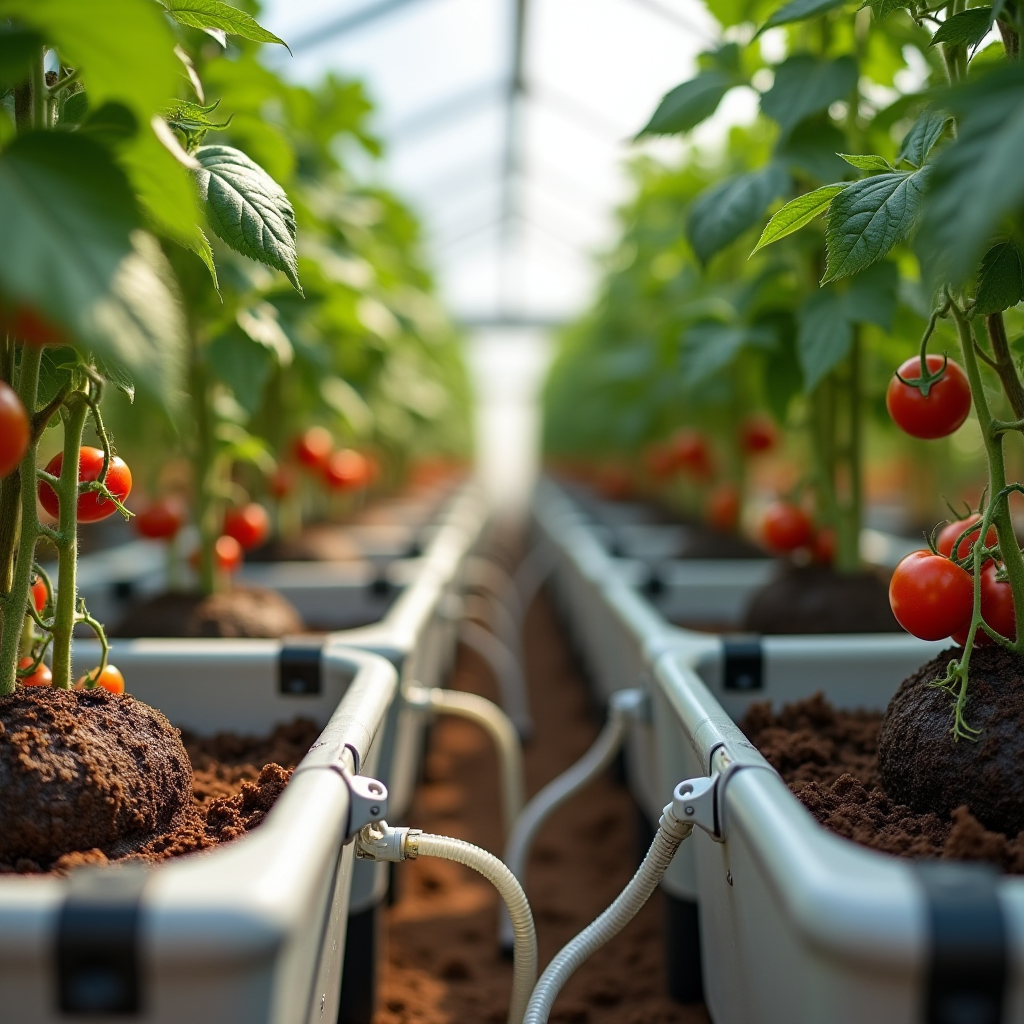
Most growers blame “weak nutrients” or “bad genetics” when a Dutch bucket tomato line starts to stall. In reality, the problem usually lives in three places you rarely see in product marketing photos: inside the siphon elbow, inside the manifold, and inside the root zone where irrigation patterns quietly create anaerobic pockets and salt layers.
With multi-layer Dutch bucket rigs and plug-and-play kits getting pushed harder in the commercial greenhouse boom documented in recent market forecasts, these mistakes scale very quickly. A design that “sort of works” at 8 buckets can quietly become a root-rot factory at 80.
This guide is a practical blueprint for Dutch/Bato bucket systems in 2026, focused on heavy vine crops like tomatoes and peppers: manifolds, siphon elbows, media choice, EC/pH, and pulse-drip schedules that actually scale.
1. Manifold & Siphon Elbow Mistakes That Cripple Flow
- Undersized feed manifolds that starve the last buckets in the line once plants hit peak demand.
- Flat or back-sloped drains that let fines, roots, and biofilm sit instead of moving back to the reservoir.
- Siphon elbows set too high, leaving a deep stagnant pool at the bottom of each bucket.
- Elbows acting as real siphons instead of simple standpipes, causing unpredictable flood-and-drain cycles.
- Mixed drippers and cheap non-compensating emitters, so the first few buckets get drenched while the last ones coast on fumes.
2. Media & Irrigation Mistakes: Coco vs Perlite
- Running coco like perlite with long, infrequent cycles that leave the top dry and the bottom suffocating.
- Running perlite like soil, with single daily floods that create wild EC swings and dry-backs.
- Skipping coco buffering, then chasing calcium and magnesium deficiencies all cycle.
- Not screening media, so fines migrate into the siphon elbow and choke the return manifold.
3. EC/pH & Recirculation Mistakes
- Using soil EC charts and pushing vine crops at 3.0+ mS/cm from week two.
- Running recirculating systems like drain-to-waste with no plan for EC creep or ion imbalance.
- Ignoring return-line readings and relying only on what the fresh mix looks like in the reservoir.
- Letting pH ride from 5.0 to 6.8 because “the plants look fine” - right up until fruit quality crashes.
4. Runoff & Compliance Mistakes
- No runoff capture plan in greenhouses, leading to nutrient-rich discharge that regulators are increasingly targeting.
- Oversimplified drain-to-waste setups that send concentrated runoff directly to soil or stormwater.
- Missing filtration on recirculating returns, so biofilm and solids slowly suffocate the system.
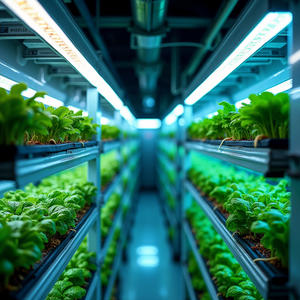
As modular multi-layer systems like the 3-Layer Hydroponics Growing System 90 Plant Sites With Water normalize stacked production, these mistakes become expensive fast. Good news: they are predictable, measurable, and fixable.

Why These Problems Happen In Dutch/Bato Bucket Systems
1. The Hardware Gets Sold As “Set And Forget”
Off-the-shelf Dutch bucket kits like the Hydroponic System Kit Hydroponics Dutch Buckets With... are marketed as simple solutions: plug in the pump, hang some drippers, and go. For leafy greens at low density, that can work. For vine crops on multi-month cycles and heavy fruit load, it is not enough.
Tomatoes and peppers want stable hydraulics: consistent feed pressure, predictable drain behavior, and well-oxygenated roots. When manifolds are undersized or elbows are positioned by eye, flows drift as roots bulk up and biofilm builds. The system that looked balanced on day 14 becomes uneven by day 45.
2. Media Physics Gets Ignored
Coco and perlite behave very differently under pulse drip. Perlite drains fast and holds less capillary water; coco holds more water and more nutrients but can also stay wetter for longer. Treat both the same and you either create chronic wet feet or chronic drought swings.
The industry’s move toward scalable, modular infrastructure highlighted in recent greenhouse market reports is positive, but it also means more growers adopt “white bucket, black line, done” without understanding water-holding curves or oxygen diffusion in media.
3. Recirculating Systems Hide Salt Creep
In a true drain-to-waste system, salt buildup shows up in runoff EC and is washed out daily. In recirculating Dutch buckets, the same salts loop back into the reservoir. EC slowly climbs, certain ions accumulate, and the chemistry inside coco or perlite drifts away from what your fresh mix chart says.
Without return-line testing or scheduled nutrient resets, fruit quality, firmness, and Brix slide long before plants show dramatic deficiency or toxicity symptoms.
4. Environmental & Regulatory Pressures Are Rising
The same modularity and collaboration that helped outfits like Eldorado Fresh scale their hydroponic operations as reported in this profile are also attracting more regulatory attention to nutrient runoff, especially in greenhouse clusters.
High-EC discharge from Dutch bucket drains into soil or stormwater is on regulators’ radar. Greenhouse growers are being nudged toward recirculation, treatment, or at least controlled collection instead of open-ended drain lines.

How To Fix Dutch/Bato Bucket Design For Vine Crops
1. Dial In Siphon Elbow Height & Drainage
Think of the Dutch bucket elbow as a standpipe with a safety puddle, not a full flood-and-drain siphon.
- Inside height: Set the vertical intake stub about 1–1.5 cm above the lowest point of the internal sump. That retains a shallow wet zone without drowning the bulk of the media.
- Elbow diameter: Use 13–19 mm (1/2–3/4 inch) through the bucket wall, stepping into a 40–50 mm (1.5–2 inch) shared drain line.
- Drain line slope: Aim for 1–2% slope (1–2 cm drop per meter; about 1/8–1/4 inch per foot) back to the reservoir or collection tank.
- Entry orientation: Let the elbow drop into the top of the drain pipe so gravity and flow carry fines away instead of pushing them back into the bucket.
- Maintenance access: Put a clean-out or removable cap at the end of each drain manifold for periodic flushing.
2. Build Feed Manifolds That Stay Balanced At Scale
Per-bucket flow is your first real control dial. Use pressure-compensating drippers and oversized main lines so every plant sees the same volume.
- Main line sizing: Use 20–25 mm (3/4–1 inch) PVC or poly main lines for rows. Avoid running long rows on 16 mm only.
- Per-bucket drippers for tomatoes:
- Target 4 L/h per bucket (about 1 GPH).
- Practical setups: 2 × 2 L/h drippers or 1 × 4 L/h pressure-compensating emitter.
- Per-bucket drippers for peppers:
- Target 2–4 L/h per bucket depending on plant size and environment.
- Pump sizing: Sum your total dripper flow and double it to choose pump capacity at working head. For 24 buckets at 4 L/h = 96 L/h theoretical, choose at least 200–400 L/h at head and throttle back if needed.
- Row balancing: Install a ball valve at the start of each row to fine-tune pressure and flow.
3. Match Pulse Schedules To Media
Perlite and coco want different irrigation patterns.
Perlite Dutch/Bato buckets (tomatoes or peppers)
- Seedlings / small plants: 2–3 minute pulses every 3–4 hours during lights-on.
- Vegetative / early flowering: 3 minute pulses every 2 hours.
- Heavy fruiting in warm conditions: 3–4 minute pulses every 60–90 minutes during lights-on.
- Goal: Keep the lower zone consistently moist and oxygenated while allowing the upper 2–3 cm to dry slightly between pulses.
Coco or coco/perlite mixes in Dutch/Bato buckets
- Seedlings / small plants: 1–2 minute pulses every 3–4 hours.
- Vegetative / early fruiting: 1–2 minute pulses every 2 hours.
- Heavy fruiting: 1–3 minute pulses every 60–90 minutes, tuned by runoff and moisture feel.
- Runoff target (drain-to-waste): 10–20% of applied volume per day.
In recirculating systems, you can run slightly lower runoff volumes, but do not eliminate runoff entirely. Schedule periodic “flush days” with longer pulses to wash the media and keep salts moving back to the reservoir where you can control them.
4. Set EC & pH Schedules By Stage, Not Guesswork
For Dutch/Bato buckets with standard hydroponic nutrients and moderately strong lighting:
Tomato EC & pH
- Seedlings / early post-transplant: EC 1.2–1.6 mS/cm, pH 5.6–5.8.
- Vegetative to first truss set: EC 1.8–2.2, pH 5.6–5.8.
- Flowering / early fruit set: EC 2.2–2.5, pH 5.8–6.0.
- Heavy fruit load: EC 2.5–2.8 (up to 3.0 only for strong plants), pH 5.8–6.0.
Pepper EC & pH
- Seedlings / early post-transplant: EC 1.0–1.4, pH 5.6–5.8.
- Vegetative to first flowers: EC 1.6–2.0, pH 5.6–5.8.
- Flowering / fruiting: EC 2.0–2.4, pH 5.8–6.0.
- Heavy-fruiting stage: EC up to 2.5–2.7 for vigorous plants.
In recirculating setups, start at the lower half of these EC ranges because EC tends to climb as water is used faster than nutrients. Watch reservoir trends, not just daily mixes.
5. Tighten Recirculating Layouts & Oxygenation
A robust recirculating Dutch bucket system for vine crops should look like this:
- Reservoir: Opaque, 2–3 times the expected daily uptake (for 20 buckets of tomatoes, 100–200 L is a good minimum).
- Feed manifold: Oversized main line, pressure-compensating drippers, row valves, and end flush points.
- Return manifold: 40–50 mm (1.5–2 inch) drain under the buckets, top-entry from siphon elbows, 1–2% slope back to reservoir.
- Aeration: Strong air stones or a diffuser bar running 24/7, plus a small circulation pump in larger reservoirs to avoid stratification.
- Temperature control: Keep nutrient solution at 18–22 °C (64–72 °F). Above 24–25 °C (75–77 °F), dissolved oxygen drops and root disease risk climbs.

What To Watch Long-Term: Benchmarks, Runoff & Scaling
1. Per-Bucket Hydraulics: Simple Benchmarks
Once the system is running, track a few numbers per bucket or per row. They will tell you when to intervene long before plants complain.
- Flow check: Place a measuring jug under a dripper for 15 minutes. At 4 L/h, you should see about 1 L in 15 minutes. Repeat at the start, middle, and end of each row.
- Drain time: After a pulse, surface water should disappear quickly and drains should run clear. Any buckets that stay visibly wet on top while others dry may have a partially blocked elbow or media compaction.
- Return clarity: The return manifold should run relatively clear. Cloudy or foamy returns, or floating biofilm, signal that you need filtration and cleaning.
2. EC/pH Drift Patterns
In a recirculating Dutch bucket system you should log three numbers at least a few times a week:
- Reservoir EC & pH before the first irrigation window.
- Reservoir EC & pH after the last irrigation window.
- Spot-check return EC & pH at least once per week by sampling what drains from a representative bucket or from the return line.
If return EC is consistently higher than input, salts are accumulating in the media. Respond by slightly lowering target EC, increasing daily runoff, and flushing the media with a longer irrigation event once a week before returning to normal pulses.
3. Coco vs Perlite: Adjusting Over Time
As root volume increases, both coco and perlite behave differently:
- In perlite: Roots fill pore spaces and slow drainage. Watch for gradual increases in standing water depth. You may need to shorten pulse length and add an extra irrigation event per day to keep oxygen high without saturating the bucket.
- In coco: Ion exchange increases as more root surface interacts with the media. Keep an eye on calcium, magnesium, and potassium balance. If you see blossom end rot or marginal leaf necrosis despite adequate EC, review your Ca/Mg ratios and coco buffering history.
4. Runoff Management & Regulatory-Friendly Layouts
For greenhouse installations, plan runoff management at the same time you plan manifolds.
- Recirculating layout with buffer tank: Collect all Dutch bucket drains into a dedicated return tank that feeds a main reservoir through filtration. This allows solids removal and EC/pH adjustment before reuse.
- Drain-to-waste with capture: If you cannot recirculate, at least collect runoff in a holding tank. From there, you can dilute and apply to non-sensitive soil areas as fertilizer or send it through onsite treatment.
- Documentation: Keep simple logs of runoff volume and EC. This helps demonstrate responsible nutrient handling if regulators or partners ask, which is increasingly relevant as commercial greenhouse clusters expand.
5. Example Scalable SOP For Dutch/Bato Vine Systems
Here is a straightforward operating procedure you can adapt for 12 buckets or 120.
Daily
- Check reservoir pH and EC; adjust pH to target range and top up with water or nutrients as needed.
- Visually inspect drains and return manifold for blockages or slow flow.
- Confirm that the pump and timer are cycling correctly during lights-on.
Weekly
- Flow-test a sample of drippers; replace or clean any that are off-spec.
- Log return EC/pH and compare with input; adjust EC targets or pulse lengths as required.
- Run a deliberate “flush pulse” cycle: double pulse length for one day to wash salts toward the reservoir or capture tank.
Per Phase Change (veg to fruiting, major pruning, heavy fruit set)
- Do a partial or full reservoir change to reset nutrient ratios.
- Re-evaluate EC targets using the stage-based ranges above.
- Re-tune irrigation frequency to match the new canopy and transpiration rate.
Operations that scale successfully, like those highlighted in commercial case studies of hydroponic greenhouses, tend to follow this pattern: stable hardware spec, tight SOPs, and incremental adjustment based on measurable data instead of intuition alone.
As an Amazon Associate, I earn from qualifying purchases.