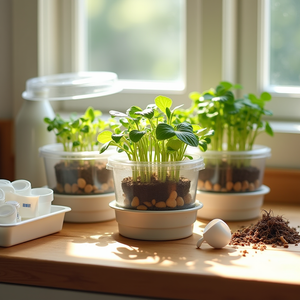
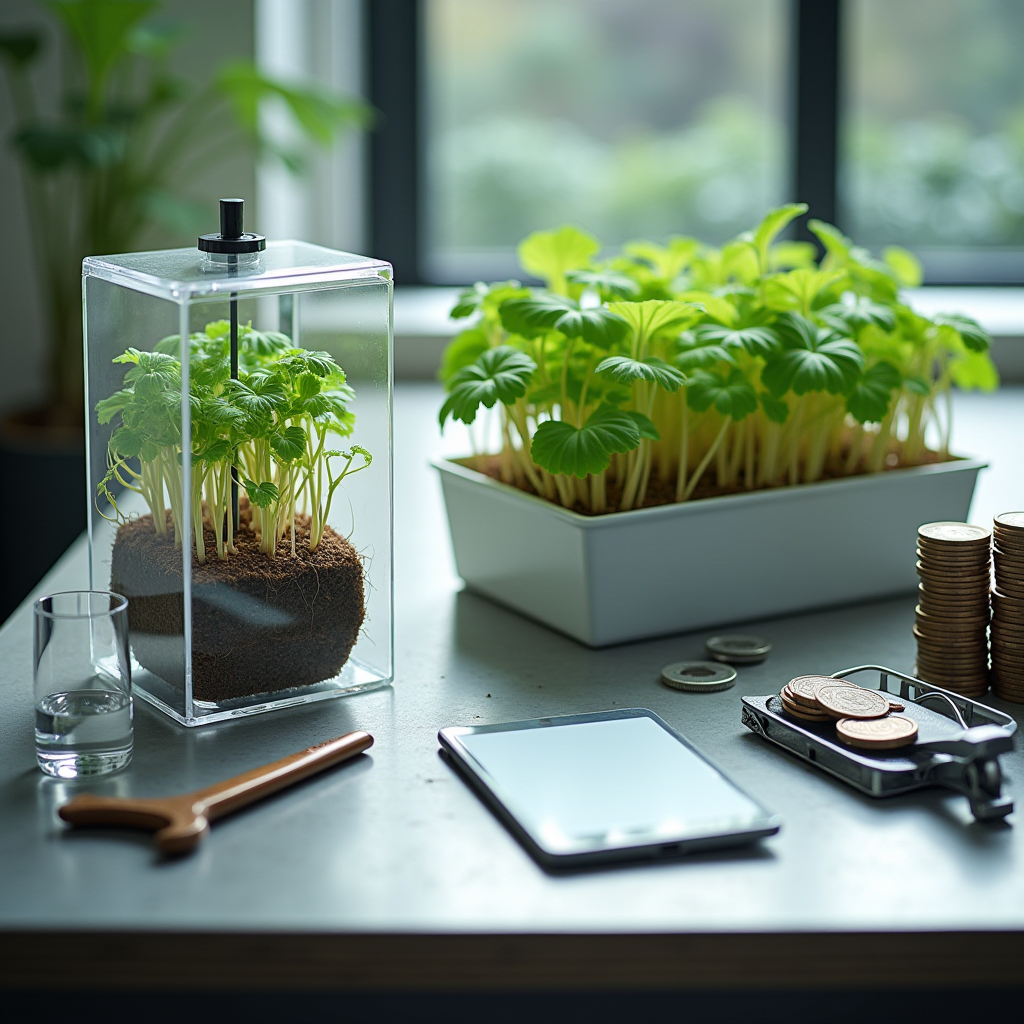
Most people think hydroponics is just a hobby. It isn’t.
If you can keep plants thriving in a closed environment, manage pH and EC without drama, and keep pests out while lights and pumps run on schedule, you have marketable skills. Controlled environment agriculture needs operators who can deliver consistent results, and employers pay for that consistency.
The job market is broader than folks realize: technicians, growers, farm managers, and equipment specialists all sit under the hydroponics umbrella. If you want to turn your grow-room time into a paycheck, here’s what the salaries look like and how to position yourself.
The Big Question
Is hydroponics a real career path with dependable pay? Yes. Independent compensation datasets show hydroponic technician roles paying at levels that look like full-time careers, not side gigs. SalaryExpert reports an average hydroponics technician salary of $44,551 per year in the United States, about $21 per hour based on survey data from employers and employees (source).
Glassdoor’s aggregated user data places the median base for a Hydroponic Technician at $54,303, with estimated total pay around $60,648 when bonuses and other comp are included (source). That’s solid for an operations role built on hands-on plant care, system checks, sanitation, and data logging.

What’s Really Going On
Hydroponic employers hire for a range of roles: propagation and nursery techs, cultivation technicians, greenhouse or indoor farm operators, and head growers. On the production side, “Hydroponic Farmer” roles sit in the same pay band as many technician jobs, with an average salary of $50,930 and total estimated pay at $55,032 in the U.S. according to Glassdoor (source).
Comp varies by department and title. Indeed’s salary explorer shows “hydroponics” roles ranging roughly from $33,657 per year for entry operations up to $82,210 for certain associate-level product roles in the space (source). Company matters, too: one example, Hydroponics, Inc., reports an average employee salary of $71,323 across positions, with a range from about $62,674 to $81,144 (source).
Day to day, strong candidates prove they can maintain stable solution chemistry, keep climate within crop ranges, execute sanitation and IPM consistently, and communicate issues before they become crop losses. If you can run a tight room with clear SOPs and reliable logs, you’re already speaking the language hiring managers want to hear.

Practical Steps
Build a portfolio that proves you can operate, not just grow. Run a compact system end-to-end. Track daily pH and EC, note adjustments, and document how your decisions affect growth rate, root health, and harvest quality. Calibrate meters on schedule and sanitize between cycles to show you understand contamination control.
Translate results into operational language: percent germination, time to transplant, cycle time, and yield per square foot. If you’re new to the industry, entry-level greenhouse or indoor farm roles let you learn commercial SOPs while you demonstrate reliability and speed. Benchmark a mid-term target for yourself: a hydroponics specialist role has been cited around a $60,000 median in past snapshots, a useful milestone as you upskill (source).

Pro Tips & Benchmarks
Use market pay to gauge your readiness. Across “hydroponics” job listings in the U.S., ZipRecruiter reports an average hourly rate of $17.14, with a common range from $11.30 to $21.88 depending on role and region (source). If you’re consistently exceeding expectations in a production environment, you should be pushing toward the upper end of your local range.
Location matters. Compensation can shift by state and metro. Reviewing state-by-state hydroponics technician data will help you understand how cost of living and demand affect offers where you plan to work (source). Also look at adjacent roles you can grow into; for example, an agricultural equipment technician working in hydroponic environments averages about $59,953 per year nationally, per Indeed’s career guide (source).
Keep tightening your process. Employers notice reduced downtime, cleaner turnovers between crops, stable reservoirs, and tight climate control. Package those results with clear documentation and you move from hobbyist to hireable.
As an Amazon Associate, I earn from qualifying purchases.